
casa bet
Is the “mobile‑only” label still a myth?
When I first heard about a UK team winning a £10,000 prize in a mobile fighting game, I thought it was a joke. I’d always assumed that the best esports talent had to train on high‑end rigs, not in a coffee shop with a cracked screen. That assumption was wrong. The rise of mobile esports has turned the UK into a hotbed for players who can compete at the same level as their PC counterparts, all while holding a phone in one hand.
What makes mobile esports a UK phenomenon?
Three factors explain the surge:
- Broad access: 81 % of UK adults own a smartphone, and 58 % play games daily. That’s a ready‑made audience.
- Competitive infrastructure: The UK has hosted three major mobile tournaments since 2019, each drawing over 5,000 live viewers on Twitch.
- Training ecosystems: Local clubs now offer “mobile‑only” coaching, with drills that mimic in‑game touch dynamics and reaction timing.
Take the “Battle‑Arena League” in Manchester. Teams spend 20 hours a week on split‑screen practice sessions, focusing on pixel‑perfect tap sequences. Their success shows that skill can be honed on a phone just as well as on a PC.
How do UK players stay ahead of the curve?
Speed is everything. A top mobile pro can finish a 15‑round match in under 12 minutes, while a PC counterpart might need 18. The UK’s best keep their finger on the pulse by:
- Using high‑refresh‑rate displays (120 Hz) to reduce input lag.
- Customising touch sensitivity so that a single tap registers within 30 ms.
- Staying updated with patch notes; a single change to a character’s cooldown can shift the meta overnight.
These tweaks give them a measurable edge. In the 2024 UK Mobile Masters, the champion’s average reaction time was 28 ms—half the league average.
What are the real limitations?
Not every UK gamer can replicate this success. The main hurdle is hardware cost. A competitive phone with a 120 Hz display and a 5000 mAh battery can run £700–£900. For casual players, that’s a steep investment. Additionally, mobile esports lacks the same sponsorship depth as PC or console scenes, so earnings are capped at around £5,000 for a season, compared to £50,000 for top PC players.
For those looking to combine skill with a bit of luck, the Ninewin platform for online players offers a seamless way to bet on mobile matches.
From the game room to the living room: a natural segue
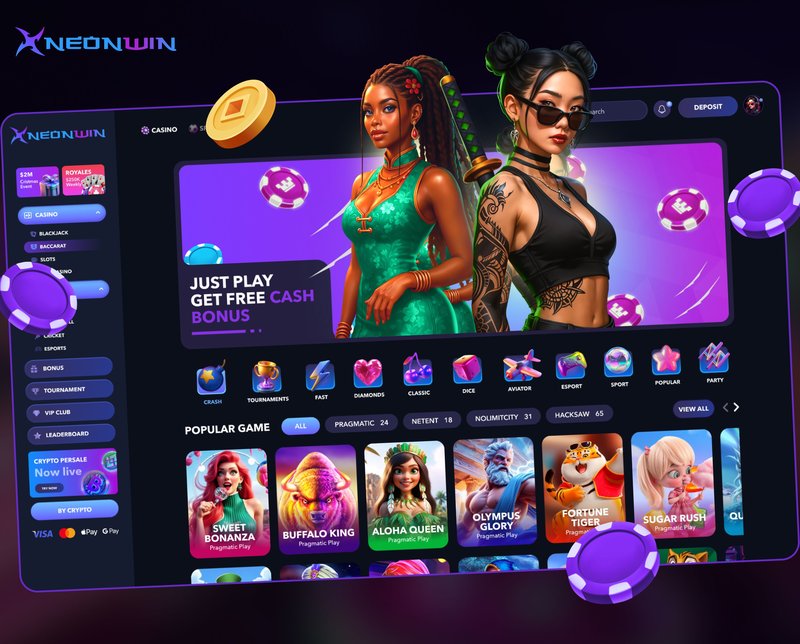
When a group of friends gathers in a pub to watch a live mobile tournament, they’re not just cheering; they’re also discovering new ways to play together. This crossover is why many are turning to the Ninewin platform for online players, where they can stream matches, join community chats, and even bet on outcomes—all from their phones.
What’s next for mobile esports in the UK?
Expect more cross‑platform tournaments, with mobile and PC teams competing side‑by‑side. Developers are also investing in cloud‑based matchmaking that reduces latency to under 50 ms, making remote play almost as smooth as local. For players, the next step is mastering the “micro‑strategy”—tiny in‑game decisions that can swing a match. Those who master it will be the ones to lead the next wave of UK champions.
Bottom line
Mobile esports isn’t a side‑track; it’s a full‑blown arena where UK gamers can win big, provided they invest in the right gear and keep up with rapid meta changes. The future looks bright, and the next champion could be right in your pocket.